Cultural
Questions
Questions and answers
What age groups are Cultural classes designed for?
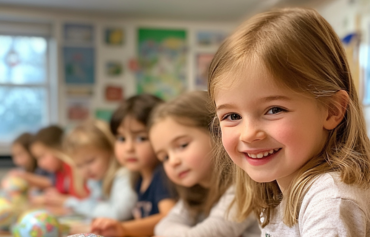
Cultural classes are designed for children aged 4 to 12 years, with activities and content tailored to different developmental stages and interests.
What topics are covered in the Cultural classes?
Cultural classes explore a wide range of topics including world cultures, traditions, holidays, languages, and historical events. Activities may include storytelling, music, art, and food from various cultures.
How are Cultural classes structured
Classes typically include a mix of interactive activities such as arts and crafts, group discussions, and hands-on projects. These activities are designed to be engaging and educational, providing a comprehensive understanding of different cultures.
Do children learn about current events in the Cultural classes?
While the focus is primarily on cultural traditions and history, current events may be discussed in context to help children understand how cultures evolve and interact in today’s world.
How do Cultural classes benefit children’s development?
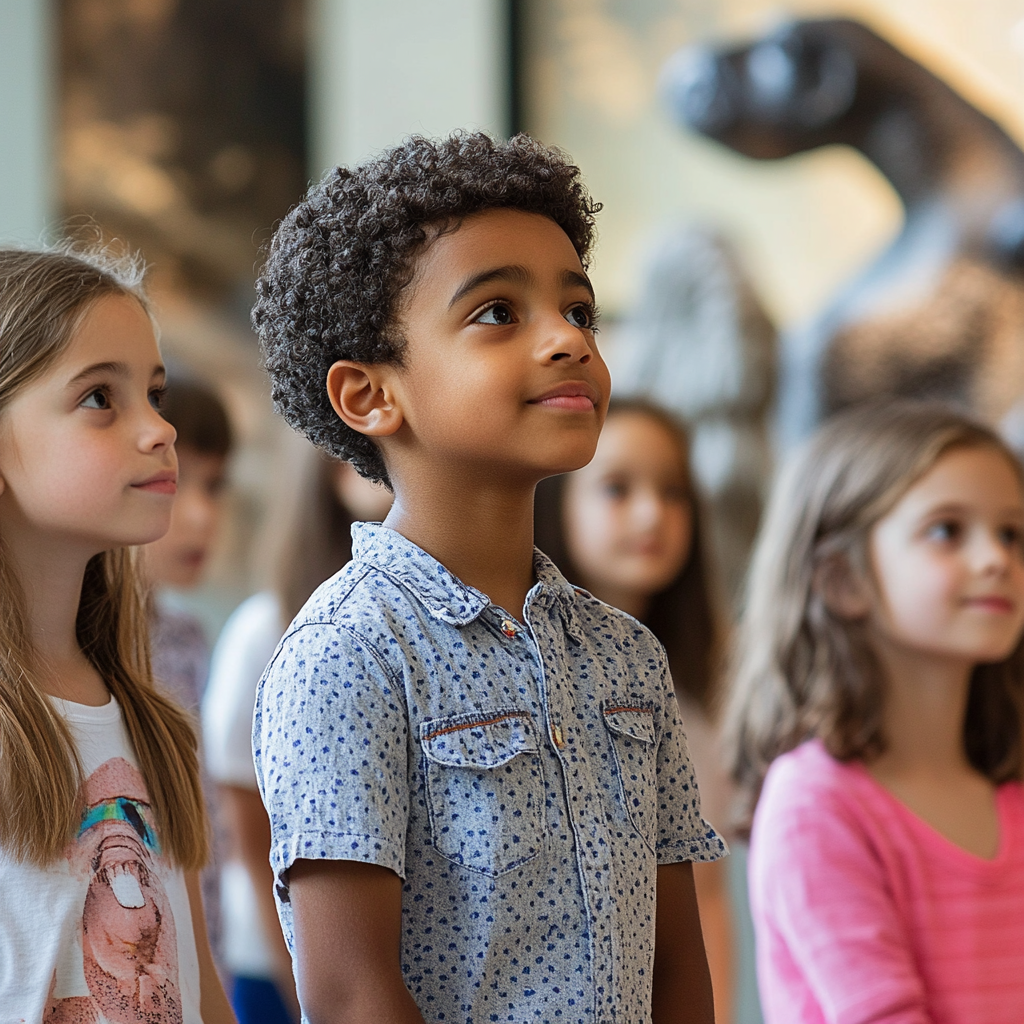
Cultural classes help children develop empathy, respect, and a broader perspective of the world. They foster an appreciation for diversity and teach children about the value of different cultural practices and traditions, promoting global awareness and inclusivity.